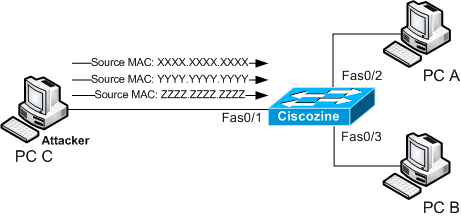
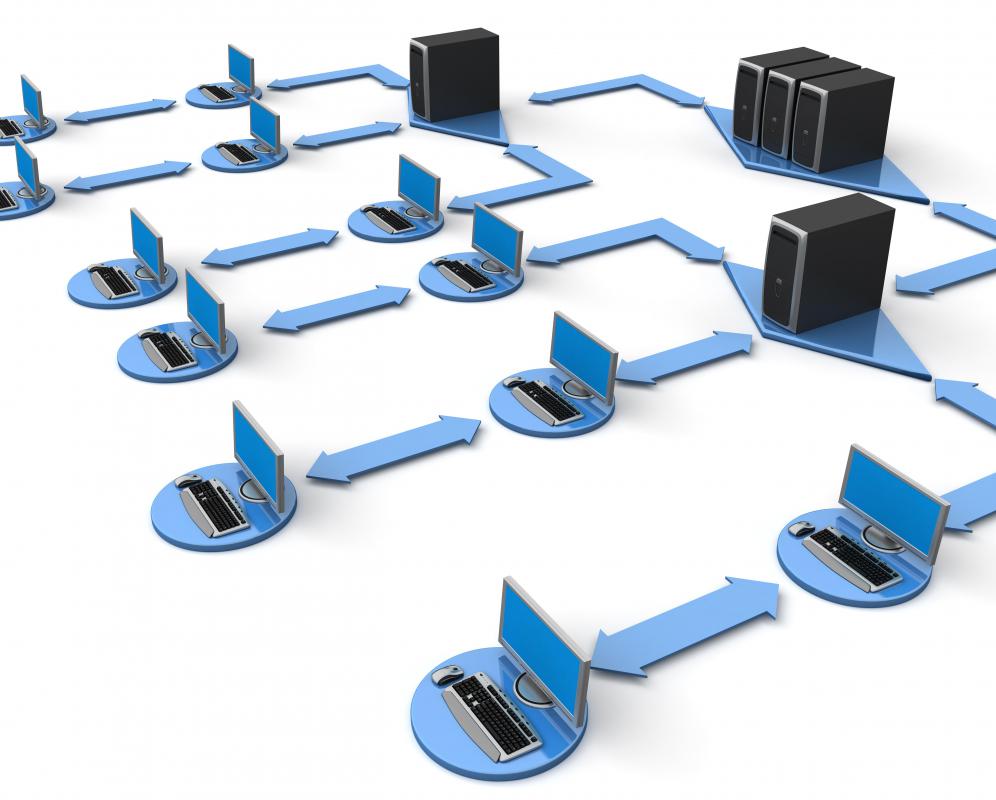
The basics of MAC flooding begin with a corruption of the translation table that is part of the function of the network switch. When functioning properly, the table will map each individual MAC address that is found on the network. Each MAC address is associated with a physical port on the network switch. This approach makes it possible to designate a specific and single point of termination for data sent across the network.
By flooding the switch with data packets, the translation table is thrown out of kilter and the connection between the ports and specific MAC addresses is destroyed. Instead, any data that is intended for a single MAC address is now sent out on all ports associated with the network. This means that any type of data that was intended for a single address is received by multiple addresses.
MAC (Media Access Control) Flooding is a type of cyber attack done in a network to compromise the security of the network switches. In this attack the network is flooded with the fake MAC addresses. The hacker uses this attack to steal sensitive data that is being transferred in the network. The attack is used for forcing the legitimate MAC table contents out of the switch and forcing the unicast flooding behavior for potentially sending sensitive information to portions of the network where it is not normally intended to go.
Procedure For The Attack
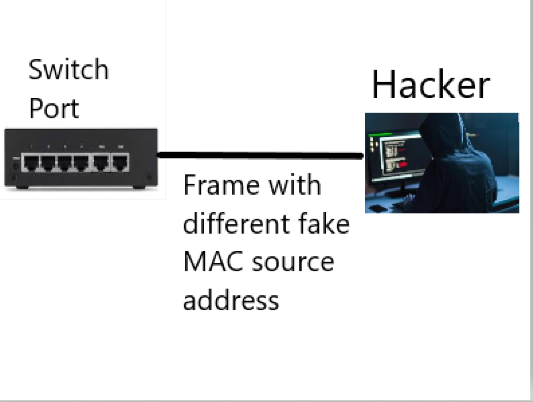
- In this attack, the hacker first connects to the switch ports and floods it’s interface by forcing legitimate MAC addresses out of the MAC address table through very large number of fake MAC addresses .
- Once the MAC address table is full, the network switch enters into the fail-open mode and behaves like a network hub, broadcasting all the packets on all the switch ports.
- The hacker finally uses an packet analyzer to capture these packets to steal the sensitive information.
Image For Understanding The Attack
Mitigation For The Attack
To stay safe from this attack, follow the following:
- Authentication, Authorization, and Accounting Servers (AAA) can be used for authentication against MAC addresses as an preventive measures
- Configure the switches to limit the number of MAC addresses on the ports that are connected to the end stations.